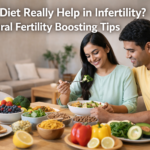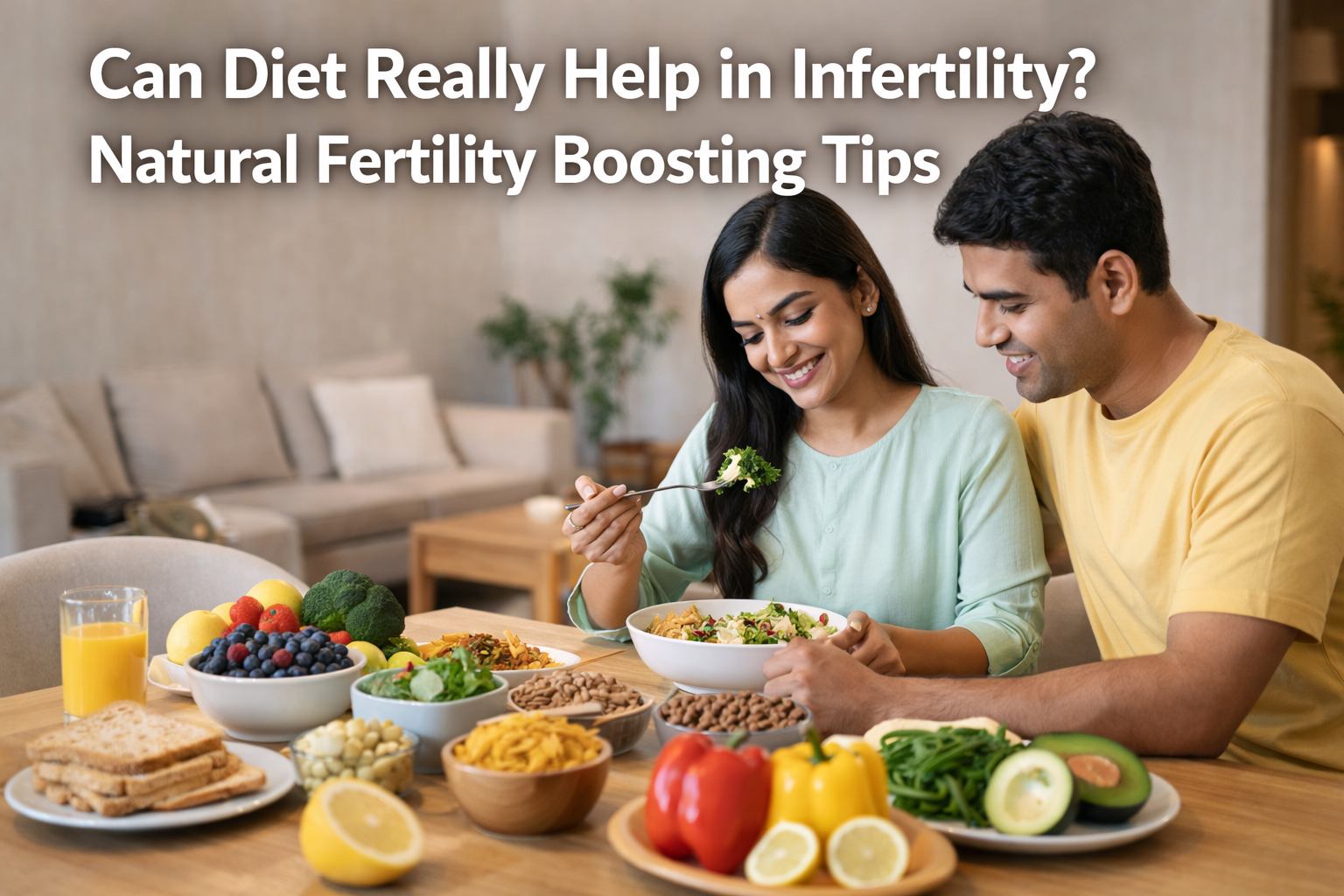
Infertility is one of the most emotionally challenging journeys a couple can face. While medical interventions are often necessary, many people overlook a foundational factor that is entirely within their control — diet and nutrition. The food you eat every single day has the power to either support or sabotage your reproductive health. And the good news? Simple, intentional dietary shifts can make a meaningful difference.
According to Dr. Pradnya Dole, a leading Ayurvedic fertility specialist in Pune, fertility is not just about the reproductive organs — it is a reflection of your overall internal health. In this blog, we explore the powerful science and ancient wisdom behind how diet can naturally enhance fertility for both men and women.
Understanding Search Intent: What People Are Really Asking
When people search for ‘Can diet help infertility?’ they are driven by one of three intents:
- Informational: They want to understand the connection between food and fertility.
- Navigational: They are looking for a specialist or clinic to guide them.
- Transactional: They are ready to consult a doctor and take action.
This blog addresses all three — providing deep, trustworthy information while guiding you toward expert support.
The Science Behind Diet and Fertility
Modern reproductive science has increasingly confirmed what Ayurveda has long known: your body’s ability to conceive is deeply tied to nutritional status. Multiple peer-reviewed studies have shown that dietary patterns directly influence hormone regulation, egg quality, sperm motility, ovulation, and implantation rates.
Key nutritional influences on fertility include:
- Antioxidants (Vitamins C and E, selenium, zinc) — protect eggs and sperm from oxidative stress damage.
- Folate & B12 — critical for DNA synthesis and reducing neural tube defects in early pregnancy.
- Omega-3 Fatty Acids — reduce inflammation, support hormone production, and enhance uterine blood flow.
- Iron & Vitamin D — iron deficiency is linked to anovulation; Vitamin D deficiency impairs ovarian function.
- CoQ10 — shown to improve egg quality and mitochondrial function in aging eggs.
Ayurvedic Perspective: Nourishing Shukra and Artava
Ayurveda views fertility as the end product of a sequential chain of tissue nourishment. The reproductive tissue — known as Shukra Dhatu (male) and Artava (female) — is the finest and last of the seven dhatus (body tissues). For these tissues to be healthy and fertile, all preceding dhatus must be well-nourished.
This means fertility in Ayurveda begins with the quality of your food (Ahara), your digestive fire (Agni), and your mental wellbeing (Manas). Dr. Pradnya Dole, as a renowned Ayurvedic Doctor Pimple Saudagar, integrates these classical principles with modern diagnostic tools to create individualized fertility nutrition plans.
Ayurvedic fertility-supporting foods include:
- Shatavari (Asparagus racemosus): Queen of female fertility herbs; balances estrogen, nourishes reproductive tissues.
- Ashwagandha: Adaptogen that reduces cortisol, balances hormones, and improves sperm quality.
- Ghee (Clarified Butter): Deeply nourishes reproductive tissues and lubricates the uterine lining.
- Dates & Figs: Rich in iron, fiber, and natural sugars; support uterine health and energy.
- Sesame Seeds & Almonds: Provide zinc, calcium, and healthy fats essential for hormonal balance.
Diet and PCOS: A Critical Connection
Polycystic Ovary Syndrome (PCOS) is one of the leading causes of female infertility, affecting 1 in 5 women in India. The good news is that PCOS is one of the most diet-responsive conditions in reproductive medicine. If you are seeking PCOS Treatment in Pune, dietary modification is always the foundational first step.
Dietary strategies for PCOS management:
- Low Glycemic Index (GI) Diet: Reduces insulin resistance, which is the root driver of PCOS-related hormonal imbalance.
- Anti-Inflammatory Foods: Turmeric, ginger, berries, and green leafy vegetables calm systemic inflammation.
- High-Fiber Foods: Regulate estrogen and slow glucose absorption, reducing androgen spikes.
- Avoid Refined Sugars & Processed Foods: These trigger insulin spikes that worsen hormonal dysregulation.
- Inositol-Rich Foods: Found in fruits, beans, and grains — shown to mimic insulin sensitizers like Metformin.
Diet After IVF Failure: Can Nutrition Help?
IVF failure is devastating, but it often prompts a critical re-evaluation of lifestyle and nutrition. If you are exploring IVF Failure Treatment in Pune, integrating targeted nutrition therapy can significantly improve outcomes in subsequent cycles by addressing the root causes of implantation failure — poor egg quality, thin endometrial lining, or oxidative stress.
Post-IVF failure dietary recommendations:
- Increase CoQ10 & Vitamin E: Proven to improve mitochondrial function and egg quality before retrieval.
- Mediterranean Diet Pattern: Multiple studies link this dietary pattern to higher IVF success rates.
- Limit Trans Fats & Alcohol: These directly impair follicular development and hormone signaling.
- Improve Endometrial Lining: Pomegranate juice, vitamin E, and L-arginine-rich foods promote blood flow to the uterus.
Top Fertility-Boosting Foods to Add to Your Diet Today
For Women:
- Leafy Greens (spinach, methi, palak): Rich in folate, iron, and magnesium.
- Whole Grains (brown rice, quinoa, oats): Stabilize blood sugar and improve ovulation.
- Full-Fat Dairy: Harvard Nurses’ Health Study linked full-fat dairy to reduced ovulatory infertility.
- Walnuts & Flaxseeds: Excellent plant-based sources of omega-3 fatty acids.
- Turmeric (Haldi): Powerful anti-inflammatory that supports uterine health and hormonal balance.
For Men:
- Pumpkin Seeds & Sunflower Seeds: High zinc content improves testosterone and sperm count.
- Dark Chocolate: Contains L-arginine which boosts sperm volume and motility.
- Eggs & Lean Protein: Provide amino acids essential for sperm DNA integrity.
- Tomatoes (Lycopene): Shown to increase sperm motility by up to 70% in studies.
Foods to Avoid for Better Fertility
Certain foods actively harm reproductive health. Limit or eliminate:
- Trans Fats: Found in packaged snacks, margarine, and fried fast food — disrupt ovulation.
- Refined Carbohydrates: White bread, sugary drinks, and pastries spike insulin and worsen PCOS.
- Excessive Soy: Phytoestrogens in soy may interfere with natural estrogen signaling in high doses.
- Alcohol: Even moderate consumption is associated with reduced fertility and higher miscarriage risk.
- Caffeine (Excess): More than 200mg/day linked to reduced fertility and implantation failure.
- Pesticide-Heavy Produce: Endocrine disruptors in non-organic produce impair hormonal function.
Why Consult a Specialist for Fertility Nutrition?
General dietary advice can help, but fertility is a deeply individualized health journey. Conditions like endometriosis, thyroid disorders, low AMH, and recurrent pregnancy loss each demand a customized nutritional and herbal approach. As the most trusted female fertility doctor in Pune, Dr. Pradnya Dole combines diagnostic insights (hormonal panels, AMH testing, metabolic screening) with Ayurvedic consultation to craft a personalized fertility nutrition protocol for every patient.
Our Ayurvedic Fertility Clinic Pune offers a unique integrative approach — blending the best of ancient Ayurvedic wisdom with evidence-based nutritional medicine to support your fertility journey holistically and naturally.
Frequently Asked Questions (FAQ)
Q1. Can changing my diet alone cure infertility?
Diet alone may not cure all causes of infertility, but it significantly improves the underlying conditions — like PCOS, hormonal imbalance, and poor egg quality — that cause it. Combined with medical or Ayurvedic treatment, dietary changes can dramatically improve outcomes.
Q2. How long does it take for dietary changes to improve fertility?
Egg and sperm cycles are approximately 90 days, so it typically takes 3 months of consistent dietary improvement to see measurable changes in reproductive parameters. Hormonal improvements from diet can occur within 4–8 weeks.
Q3. Are there specific foods that improve egg quality?
Yes. Foods rich in antioxidants (berries, leafy greens), CoQ10 (organ meats, sardines, broccoli), and omega-3s (walnuts, fatty fish, flaxseeds) have the strongest evidence for improving egg quality and mitochondrial function.
Q4. Does Ayurvedic diet really help in fertility treatment?
Absolutely. Ayurvedic dietary principles focus on strengthening digestive fire (Agni) and nourishing the reproductive tissues (Dhatus). Clinical experience at our clinic shows that patients following Ayurvedic dietary guidelines alongside their treatment have significantly better outcomes.
Q5. What should I eat during IVF preparation?
During IVF preparation, focus on a Mediterranean-style diet rich in colorful vegetables, lean proteins, healthy fats, and whole grains. Add CoQ10 supplements, reduce processed foods, stay well-hydrated, and avoid alcohol. A personalized plan from your fertility specialist is ideal.
Take the First Step Toward Natural Fertility — Consult Dr. Pradnya Dole Today
Your fertility journey deserves more than generic advice. Dr. Pradnya Dole brings years of expertise in Ayurvedic and integrative fertility care to help you understand exactly how your diet, lifestyle, and hormonal health are affecting your ability to conceive — and what you can do about it, naturally and effectively.
- Get a personalized fertility diet plan tailored to your body type and condition
- Understand your hormonal profile and how food can balance it
- Address PCOS, IVF failure, low AMH, or unexplained infertility — naturally
- Experience Ayurvedic fertility care that works alongside modern medicine
Contact us
Address: Sai Ankur, A401, behind F Residences, near Sai Ankur, Balewadi, Pune, Maharashtra 411045
Phone: 7397879170
website: www.gynovita.com