
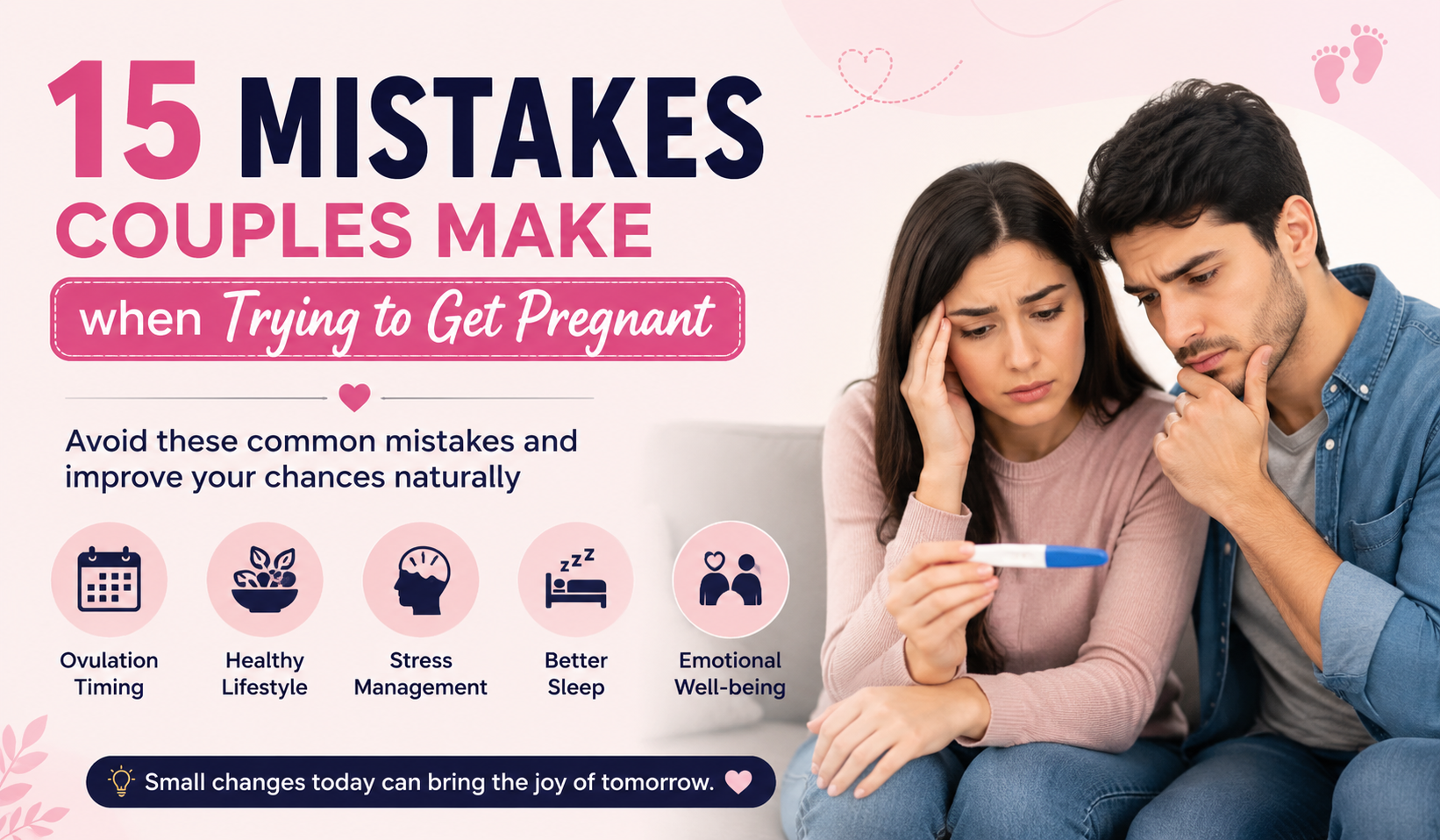
“We’ve been trying for months… So why is pregnancy still not happening?”
This silent question stays in the hearts of many couples. At the beginning, most people believe getting pregnant will happen quickly and naturally. But when months pass without positive results, stress, confusion, and self-doubt slowly begin to grow.
The surprising part?
Many couples unknowingly make small daily mistakes that can affect fertility and reduce the chances of conception.
The good news is that most of these problems can be improved with the right information, healthy habits, and proper medical guidance.
Experts like Dr. Pradnya Dole often explains that fertility is not only about “trying more.” It’s about understanding your body, timing, lifestyle, emotional health, and reproductive wellness together.
At gynovitaa clinic, many couples learn that simple changes in routine and early fertility awareness can make a huge difference in their pregnancy journey.
You may read some of these points and honestly think:
“Wow… we didn’t even realize we were making these mistakes.”
So let’s understand the most common mistakes couples make when trying to get pregnant naturally — and what you can do differently.
15 Mistakes Couples Make When Trying to Get Pregnant
1. Not Tracking Ovulation Correctly
One of the biggest mistakes couples make is not understanding ovulation properly.
Ovulation is the time when the ovary releases an egg, and this is the best time for pregnancy. Missing these fertile days can lower the chances of conception.
Common mistakes:
- Guessing ovulation dates
- Depending only on mobile apps
- Not understanding body signs
What actually helps:
- Using ovulation kits
- Tracking cycle patterns
- Understanding fertile windows
According to fertility experts at gynovitaa clininc, many couples improve their pregnancy chances simply by learning proper ovulation timing.
2. Waiting Too Long to Seek Fertility Help
Some couples keep waiting year after year hoping things will happen naturally.
Patience is important, but delaying fertility consultation for too long can sometimes make treatment more difficult.
You should visit a fertility specialist if:
- You are trying for over 12 months
- Age is above 35
- Periods are irregular
- There are known medical conditions
Dr. Pradnya Dole often advises couples that early diagnosis can save emotional stress and improve fertility treatment success rates.
3. Having Unhealthy Eating Habits
Your daily food choices affect fertility more than most people think.
Fast food, processed meals, sugary drinks, and unhealthy oils can impact hormones and reproductive health in both men and women.
Fertility-friendly foods include:
- Green vegetables
- Fruits
- Nuts and seeds
- Protein-rich foods
- Iron and folic acid-rich foods
Healthy eating supports better egg quality and sperm health naturally.
4. Ignoring Male Fertility Health
Many people assume fertility problems are only related to women, but male fertility plays an equally important role.
Low sperm count, poor sperm movement, and unhealthy lifestyle habits can all affect conception.
Common factors affecting sperm quality:
- Smoking
- Alcohol
- Stress
- Poor sleep
- Lack of exercise
This is why specialists at gynovitaa clinic encourage fertility evaluation for both partners, not just women.
5. Smoking and Drinking Excessively
Smoking damages reproductive health in both men and women. Alcohol can also affect hormone balance and fertility levels.
Even occasional unhealthy habits can slowly reduce pregnancy chances over time.
Better lifestyle habits:
- Quit smoking
- Reduce alcohol
- Drink more water
- Follow a healthy routine
Your body prepares for pregnancy long before conception actually happens.
6. Being Too Stressed About Pregnancy
Stress is one of the most overlooked fertility problems.
When couples constantly worry about pregnancy, stress hormones can affect sleep, mood, hormones, and ovulation cycles.
Signs stress may be affecting fertility:
- Anxiety
- Mood swings
- Sleep issues
- Emotional exhaustion
Helpful stress-management tips:
- Yoga
- Meditation
- Walking
- Spending quality time together
Many couples feel emotionally lighter after receiving guidance from fertility experts like Dr. Pradnya Dole, who focuses on both physical and emotional reproductive wellness.
7. Not Having Intercourse During Fertile Days
Timing matters more than many couples realize.
Pregnancy chances increase during the fertile window, especially a few days before ovulation.
Best timing:
- 2–3 days before ovulation
- On ovulation day
Regular intercourse during fertile days improves conception chances naturally.
8. Depending Only on Apps Without Medical Advice
Apps are helpful tools, but they are not always accurate for every woman’s cycle.
Everybody works differently.
Smart approach:
- Use apps as guidance
- Monitor physical symptoms
- Consult fertility specialists when needed
Technology helps, but professional advice matters too.
9. Ignoring Medical Conditions
Sometimes hidden health conditions silently affect fertility.
Common fertility-related problems:
- PCOS
- Thyroid disorders
- Endometriosis
- Hormonal imbalance
- Low sperm count
Early testing can identify these issues and improve treatment success.
10. Using Too Much Lubrication
Many couples don’t know that certain lubricants may affect sperm movement.
Better option:
Choose fertility-safe lubricants recommended by doctors.
Small changes can sometimes create big improvements.
11. Poor Sleep Habits
Late nights, stress, and irregular sleep schedules can affect reproductive hormones.
Healthy sleep tips:
- Sleep 7–8 hours daily
- Reduce screen time before bed
- Follow a regular sleep schedule
Healthy sleep supports fertility naturally.
12. Too Much or Too Little Exercise
Exercise is important, but balance matters.
Problems caused by imbalance:
- Weight gain
- Hormonal issues
- Irregular ovulation
Healthy activities:
- Walking
- Yoga
- Light workouts
- Regular physical movement
Maintaining a healthy body weight supports better fertility health.
13. Not Taking Prenatal Vitamins Early
Many couples wait until pregnancy to start supplements, but prenatal vitamins are important even before conception.
Important nutrients:
- Folic acid
- Iron
- Vitamin D
- Zinc
These nutrients support reproductive health and healthy pregnancy preparation.
14. Believing Fertility Myths
The internet is full of fertility myths that create confusion and stress.
Common myths:
- “Pregnancy happens instantly.”
- “Only women face fertility problems.”
- “Stress doesn’t affect fertility.”
Reliable medical guidance is always more helpful than social media advice.
15. Comparing Your Journey with Others
This is one of the most emotional mistakes many couples make.
Seeing pregnancy announcements online can create pressure, sadness, and frustration.
But every fertility journey is different.
Some couples conceive quickly, while others may need more time, treatment, or support.
Always remember:
- Your journey is unique
- Fertility takes time for many couples
- Emotional support matters
At the gynovitaa clinic , many couples are reminded that patience, positivity, and proper medical support can make the journey less stressful and more hopeful.
Conclusion
Trying to get pregnant can feel exciting one month and emotionally exhausting the next.
But many couples are surprised to discover that small everyday habits may be affecting their fertility more than they realized.
The positive side is this:
Most fertility mistakes can be improved with awareness, healthier choices, emotional support, and expert guidance.
With the right approach, many couples improve their chances of getting pregnant naturally and feel more confident throughout the journey.
And sometimes, all it takes is understanding your body a little better — and getting the right support at the right time.