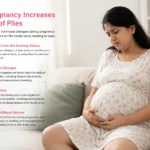
Pregnancy is a beautiful journey, but it also brings several physical and hormonal changes that can affect a woman’s health. One common yet often overlooked condition during pregnancy is piles, also known as hemorrhoids. Many pregnant women experience discomfort, pain, itching, or swelling around the rectal area, especially during the later stages of pregnancy.
At Gynovitaa Fertility Clinic, Dr. Pradnya Dole provides holistic women’s healthcare with a focus on safe and effective management of pregnancy-related conditions, including piles.
Understanding Piles During Pregnancy
Piles are swollen veins in the lower rectum or anus. They can develop internally or externally and are extremely common during pregnancy due to increased pressure on the pelvic veins.
Pregnancy-related piles usually develop during:
- The second trimester
- The third trimester
- After childbirth due to straining during delivery
Women experiencing symptoms should seek early medical attention to avoid worsening discomfort.
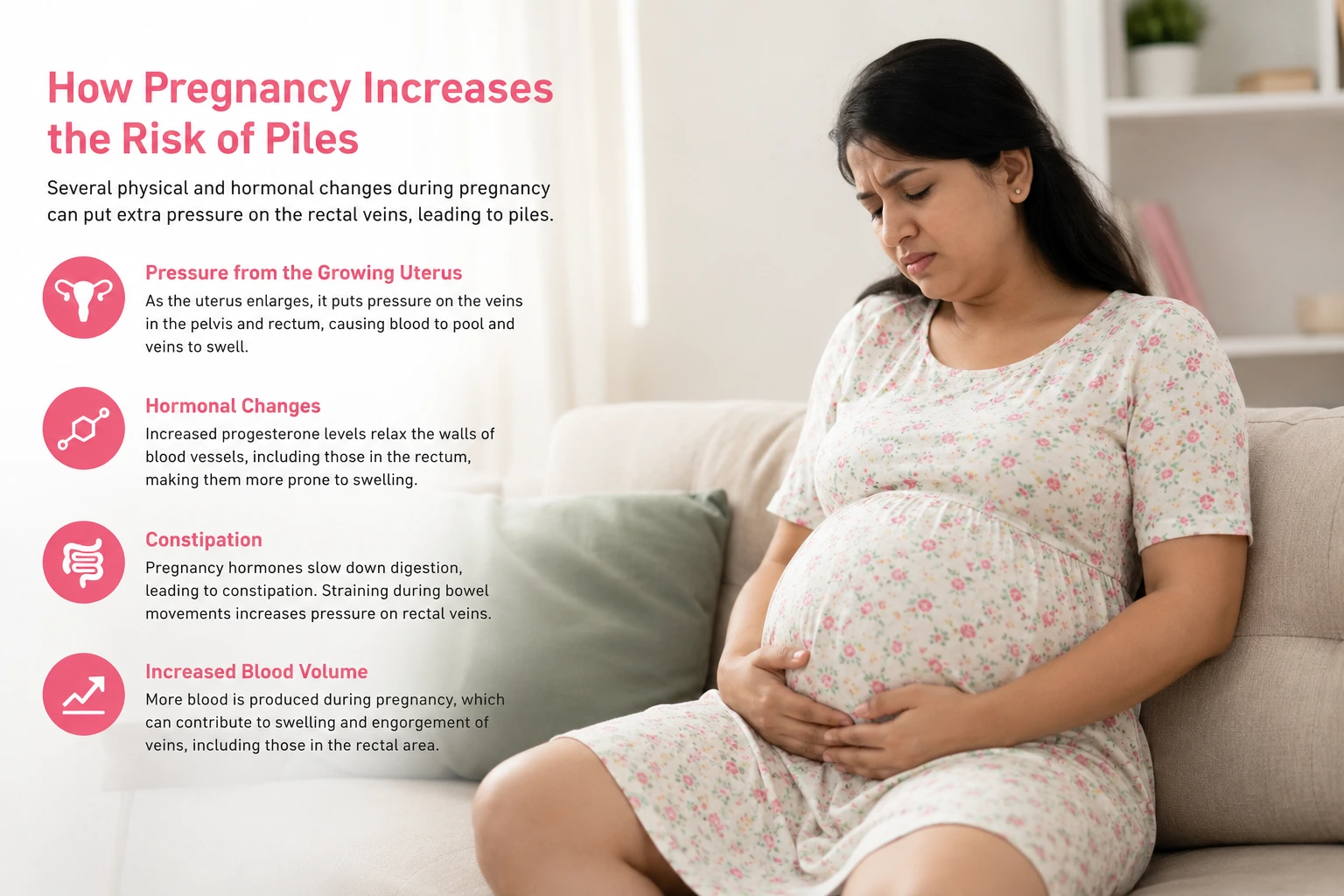
Why Pregnancy Increases the Risk of Piles
Several physiological changes during pregnancy contribute to the development of hemorrhoids.
Increased Pressure on Pelvic Veins
As the baby grows, the uterus puts pressure on the pelvic veins and the inferior vena cava. This slows blood return from the lower body and increases pressure in rectal veins.
The result:
- Swollen veins
- Poor circulation
- Increased risk of hemorrhoids
Hormonal Changes During Pregnancy
Pregnancy hormones, especially progesterone, relax blood vessel walls and intestinal muscles.
This can lead to:
- Slower digestion
- Constipation
- Increased vein swelling
Constipation is one of the major causes of piles during pregnancy.
Constipation and Straining
Pregnant women often experience constipation due to:
- Hormonal changes
- Iron supplements
- Reduced physical activity
Frequent straining during bowel movements increases pressure on rectal veins, making hemorrhoids more likely.
Increased Blood Volume
During pregnancy, blood volume increases significantly to support the growing baby.
This increased circulation can:
- Cause veins to enlarge
- Make rectal veins more vulnerable to swelling
Weight Gain During Pregnancy
Extra body weight during pregnancy puts additional pressure on the pelvic floor and rectal veins.
This contributes to:
- Vein enlargement
- Discomfort while sitting
- Increased hemorrhoid symptoms
Common Symptoms of Pregnancy Piles
Recognizing symptoms early helps prevent complications.
Pain or Burning Sensation
Discomfort during bowel movements is common.
Itching Around the Anus
Swollen veins may cause irritation and itching.
Bleeding During Bowel Movements
Small amounts of bright red blood may appear.
Swelling or Lump
External piles may appear as painful swollen lumps.
Discomfort While Sitting
Pressure and inflammation can make sitting uncomfortable.
Women should consult a doctor if symptoms become severe or persistent.
Who Is More Likely to Develop Piles During Pregnancy?
Some women are at higher risk than others.
Risk Factors Include:
- Previous history of piles
- Chronic constipation
- Multiple pregnancies
- Sedentary lifestyle
- Obesity
Patients often seek guidance from a Piles Specialist in Pune when symptoms interfere with daily life.
Can Pregnancy Piles Be Prevented?
Yes, lifestyle changes and proper care can significantly reduce the risk.
Eat a High-Fiber Diet
Fiber softens stool and reduces constipation.
Include:
- Fruits and vegetables
- Whole grains
- Seeds and nuts
- Plenty of fluids
Stay Hydrated
Drinking enough water improves digestion and bowel movement regularity.
Avoid Straining During Bowel Movements
Do not sit on the toilet for long periods or strain excessively.
Exercise Regularly
Light physical activity improves circulation and digestion.
Recommended Activities:
- Walking
- Prenatal yoga
- Gentle stretching
Maintain Proper Toilet Habits
Respond to bowel urges immediately and avoid delaying bowel movements.
Ayurvedic Approach to Managing Piles During Pregnancy
Ayurveda focuses on balancing digestion, reducing inflammation, and improving circulation naturally.
Under the guidance of Dr. Pradnya Dole, holistic care plans are designed to provide safe symptom relief during pregnancy.
Women searching for an Ayurvedic Doctor Pimple Saudagar often prefer natural approaches for pregnancy wellness.
Ayurvedic Remedies That May Help
Herbal Support
Certain Ayurvedic herbs support digestion and reduce constipation naturally.
Sitz Baths
Warm herbal baths may reduce discomfort and swelling.
Dietary Guidance
Ayurveda emphasizes easy-to-digest, fiber-rich foods.
Stress Management
Stress can worsen digestion issues and constipation.
Women looking for an Ayurvedic Fertility Specialist Pune often choose integrated care for overall reproductive and maternal wellness.
Panchakarma and Postpartum Recovery
After childbirth, some women continue to experience piles symptoms.
The Best Panchakarma Treatment in Pune may help support recovery through:
- Detoxification therapies
- Improved digestion
- Better circulation
- Reduced inflammation
Postpartum care should always be done under expert supervision.
When Should You See a Doctor?
Seek medical attention if you experience:
- Severe pain
- Heavy bleeding
- Persistent swelling
- Difficulty sitting or walking
- No improvement with home remedies
Women often consult a Piles Specialist Doctor in Balewadi for safe and personalized treatment during pregnancy.
Fertility, Pregnancy, and Holistic Women’s Care
Pregnancy care is closely connected to reproductive health.
Patients searching for a female fertility doctor in pune often seek doctors who provide complete women’s healthcare—from fertility planning to pregnancy wellness and postpartum recovery.
At Gynovitaa Fertility Clinic, comprehensive care includes:
- Fertility guidance
- Pregnancy wellness support
- Hormonal health management
- Lifestyle counseling
- Holistic women’s healthcare
Why Choose Gynovitaa Fertility Clinic?
Expert Care by Dr. Pradnya Dole
Personalized and compassionate treatment approach.
Holistic Wellness Focus
Combines Ayurveda, nutrition, and lifestyle support.
Patient-Centered Care
Individual attention for every stage of pregnancy.
Safe and Natural Guidance
Focus on minimizing discomfort during pregnancy naturally.
Women also trust clinics known for experienced Piles Specialist in Balewadi care for managing pregnancy-related hemorrhoids safely.
Lifestyle Tips for Managing Pregnancy Piles
Avoid Sitting for Long Hours
Frequent movement improves circulation.
Sleep on Your Left Side
Reduces pressure on pelvic veins.
Wear Comfortable Clothing
Loose cotton clothes reduce irritation.
Practice Good Hygiene
Keep the affected area clean and dry.
People Also Ask (FAQs)
Q1. Are piles common during pregnancy?
Yes, hemorrhoids are very common, especially during the third trimester.
Q2. Can pregnancy piles go away after delivery?
Many cases improve after childbirth, but some may require treatment.
Q3. Is bleeding from piles dangerous during pregnancy?
Mild bleeding is common, but persistent bleeding should be evaluated by a doctor.
Q4. Can Ayurveda help treat piles during pregnancy?
Ayurveda may help manage symptoms naturally through diet, herbs, and lifestyle guidance.
Q5. When should I see a piles specialist during pregnancy?
Seek medical advice if symptoms are severe, painful, or persistent.
Conclusion
Pregnancy increases the risk of piles due to hormonal changes, constipation, and increased pressure on pelvic veins. While hemorrhoids are common, proper lifestyle habits, early management, and holistic care can significantly reduce discomfort.
With expert guidance from Dr. Pradnya Dole at Gynovitaa Fertility Clinic, women can receive safe, compassionate, and personalized care for pregnancy-related health concerns.
Contact us
Address: Sai Ankur, A401, behind F Residences, near Sai Ankur, Balewadi, Pune, Maharashtra 411045
Phone: 7397879170
website: www.gynovitaaa.com